The year 2026 is shaping up to be a pivotal moment for global climate governance, with major policy decisions, international negotiations, and economic shifts converging. According to sustainability analysts, the coming year will test the alignment between climate ambitions and real-world implementation.
One of the most significant events will be the COP31, set to take place in Türkiye. The conference is expected to focus on accelerating climate commitments, climate finance, and adaptation strategies, particularly for developing economies.
At the same time, geopolitical tensions and shifting economic priorities are influencing climate policy. Some governments are balancing sustainability goals with energy security and industrial competitiveness, leading to fragmented approaches across regions.
For legal and compliance professionals, this creates a complex regulatory landscape. Cross-border businesses must navigate differing climate regulations, reporting standards, and enforcement mechanisms. This includes emerging requirements related to carbon disclosure, supply chain sustainability, and climate risk assessment.
Climate finance is also gaining prominence. Investors are increasingly directing capital toward sustainable assets, while regulators are introducing frameworks to prevent greenwashing and ensure transparency in ESG claims.
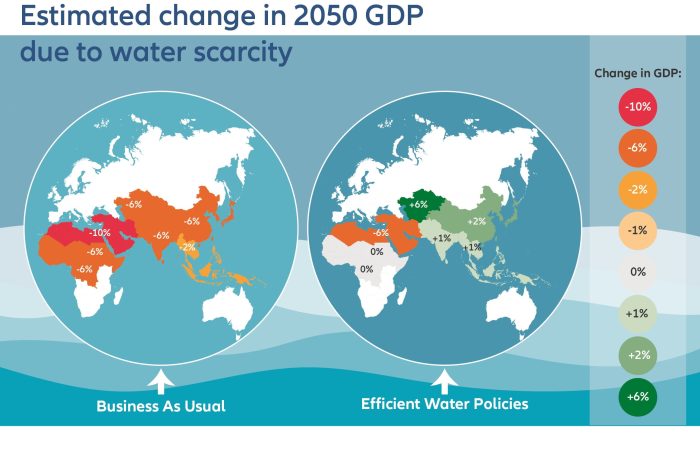
Urban sustainability, water management, and climate adaptation are expected to be key themes in 2026. Cities are investing in resilient infrastructure to address rising temperatures, flooding, and resource scarcity.
Ultimately, 2026 will be defined by the transition from commitments to implementation. The effectiveness of global climate action will depend on how governments, businesses, and institutions translate policy into measurable outcomes.