Water-related risks are emerging as one of the most critical sustainability challenges in 2026. Increasing temperatures, prolonged droughts, and shifting precipitation patterns are placing pressure on water resources worldwide.
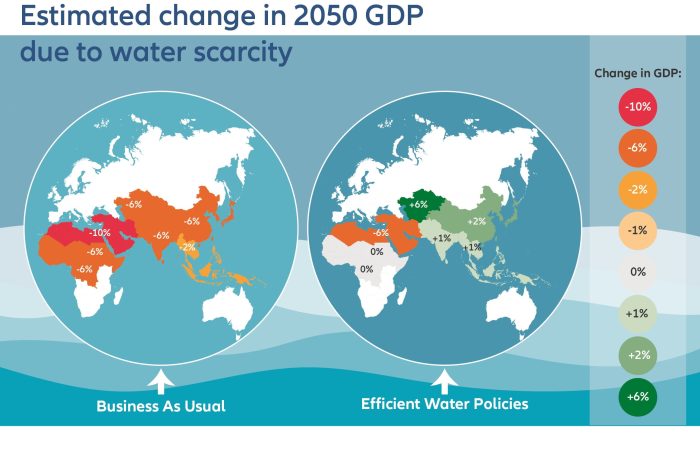
Regions such as the Middle East and parts of Europe are already experiencing significant water stress, with implications for agriculture, energy production, and urban development. Climate change is expected to exacerbate these conditions, making water management a top priority for policymakers and businesses alike.
In Türkiye, rising temperatures and extreme weather events are contributing to water scarcity concerns. Heatwaves and drought conditions are becoming more frequent, affecting both rural and urban areas.
From a regulatory standpoint, water governance is evolving to address these challenges. Governments are introducing stricter controls on water usage, promoting sustainable agriculture practices, and investing in water-efficient infrastructure.
For companies, water risk is increasingly recognized as a material financial and operational issue. Industries such as manufacturing, agriculture, and energy must assess their water footprint and implement conservation strategies. Failure to do so may lead to regulatory penalties, supply chain disruptions, and reputational risks.
Sustainability strategies are also shifting toward circular water use, including wastewater recycling and desalination technologies. These solutions are becoming essential in regions facing chronic water shortages.
The growing importance of water security highlights the interconnected nature of climate risks. Addressing water scarcity requires integrated approaches that combine environmental policy, technological innovation, and corporate responsibility.
As climate pressures intensify, water management will remain central to global sustainability efforts and long-term resilience planning.