Global technology companies including Apple, Microsoft, and Google have strengthened their climate commitments, setting ambitious net-zero or carbon-negative targets for 2030.These commitments focus on renewable energy adoption, energy-efficient data centers, and the use of carbon removal technologies such as reforestation and direct air capture. Experts say the private sector’s leadership is crucial for achieving global...Read More
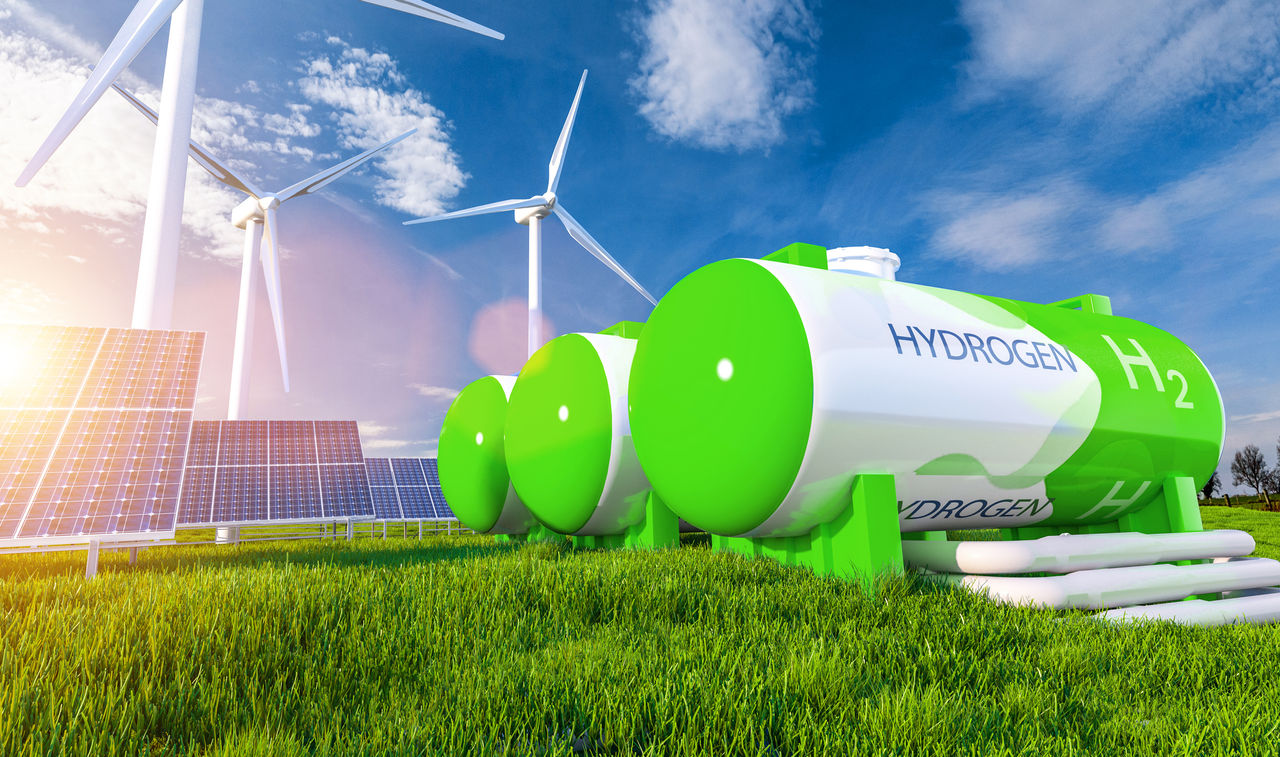
Green hydrogen is rapidly becoming the cornerstone of Europe’s decarbonization strategy, offering a sustainable alternative to fossil fuels for heavy industry and transport.Under the EU Green Deal, billions are being invested in hydrogen infrastructure, aiming to cut industrial CO₂ emissions by 40% by 2030. Countries such as Germany, the Netherlands, and Spain are leading the...Read More
Under the Cybersecurity Act, ENISA and the Commission are expanding certification schemes to cover cloud services, 5G, and managed security services. Public consultations were launched in 2025 to update the Act and strengthen Europe’s cybersecurity certification framework. Businesses offering IT services in Europe must prepare for certifiable compliance.🔗 European Commission – Cybersecurity ActRead More
As of February 2024, the DSA became fully applicable. It introduces strict obligations for very large online platforms (VLOPs) and very large search engines (VLOSEs), including transparency reporting, systemic risk assessments, and stronger content moderation obligations. Compliance affects not just social media, but also e-commerce and app ecosystems.🔗 European Commission – Digital Services ActRead More